
Owning a vehicle today is much like owning a sophisticated computer on wheels. With the rapid advancement of technology, modern vehicles are equipped with complex systems that require precise maintenance and timely interventions. One of the crucial aspects of maintaining these vehicles is quick diagnostics. But why do these diagnostics matter so much? In this post, we’ll explore the significance of rapid diagnostics for modern vehicles, providing you with insights into how they can save time, money, and ensure your vehicle’s longevity.
Understanding Auto Diagnostics
The Evolution of Vehicle Diagnostics
Once upon a time, diagnosing a car issue involved a mechanic listening to the engine or visually inspecting components. However, as vehicles have become more technologically advanced, so too have the methods for diagnosing them. Modern vehicles are equipped with onboard diagnostic systems that can pinpoint issues with remarkable accuracy. These systems use a standardized method to communicate problems, often through the check engine light, which can mean anything from a loose gas cap to a more serious engine issue.
As an example, consider a driver who hears an unusual noise from the engine. In the past, this might have required extensive time in the shop as each potential issue was manually checked. Today, a quick diagnostic scan can immediately identify a faulty spark plug, saving both time and reducing unnecessary labor costs. This kind of precision not only expedites repairs but also helps prevent more significant issues from developing.
The Role of OBD-II Systems
The On-Board Diagnostics II (OBD-II) system is a key player in modern vehicle diagnostics. Introduced in the mid-1990s, this system allows mechanics to plug into the vehicle’s computer and retrieve error codes that provide clues about what’s going wrong. This tool is invaluable for ensuring that issues are identified and addressed quickly, minimizing downtime and preventing more severe damage.
To delve deeper, the OBD-II system does more than just flag errors. It monitors critical systems like the engine and transmission, continuously checking parameters such as air-fuel ratio and ignition timing. This proactive monitoring can highlight efficiency issues, like poor fuel economy, before they escalate into costly repairs. A malfunctioning oxygen sensor, for instance, could lead to increased fuel consumption if not diagnosed promptly.
Benfits of Quick Diagnostics
Time Efficiency
In today’s fast-paced world, time is of the essence. Quick diagnostics help in identifying problems swiftly, allowing for faster repairs. This means less time is spent waiting in the shop and more time enjoying the open road. For instance, if you’re in Bear, Delaware, and you notice your check engine light is on, a quick diagnostic at ASAP Automotive & Transmission can have you back on the road in no time.
By understanding the specific error codes, mechanics can immediately zero in on the problem area, reducing the time spent on trial and error. This efficiency is crucial, especially for those who rely on their vehicles daily. For someone using their car for work, the minimal downtime can mean the difference between a productive day and lost income.
Cost Savings
Identifying problems early can save a significant amount of money. A minor issue, if left unchecked, can escalate into a major repair. Quick diagnostics ensure that small problems are caught and fixed before they become costly repairs. For example, a simple sensor issue detected early can prevent damage to the catalytic converter, which is a much more expensive component to replace.
Practical Examples of Quick Diagnostics
Seasonal Maintenance
Seasonal changes can affect your vehicle in various ways. During winter, the cold can impact the battery and tire pressure, while summer heat can strain the cooling system. Quick diagnostics can help ensure that your vehicle is prepared for seasonal changes, preventing breakdowns when you least expect them. Regular checks at the start of each season can catch issues like low coolant levels or battery health concerns.
For instance, in winter, a diagnostic scan can reveal a weak battery before it fails during a cold snap. Similarly, in the summer, checking the air conditioning system’s efficiency can prevent discomfort during heatwaves. By staying proactive, you can avoid being caught off guard by weather-related vehicle issues.
Local Scenarios
Living in Bear, Delaware, means experiencing a range of weather conditions. Quick diagnostics can help address local challenges such as dealing with road salt in winter, which can corrode components, or managing the effects of humidity in summer. By staying on top of diagnostics, you can ensure your vehicle is ready to handle local road conditions year-round.
For example, road salt can lead to rust and corrosion, particularly on the undercarriage. Regular diagnostic checks can monitor the integrity of affected parts, such as brake lines or exhaust systems, ensuring they remain in good working order. This preventative approach helps maintain the vehicle’s safety and performance.
How Quick Diagnostics Work
Tools and Technology
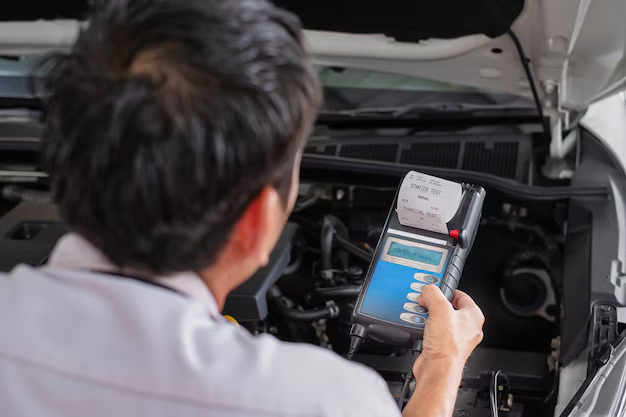
Modern diagnostic tools are sophisticated and user-friendly. Mechanics use scanners that connect to the vehicle’s OBD-II port to read error codes. These codes provide information on specific issues, whether it’s a misfire in the engine or a fault in the emissions system. The data is then interpreted and used to guide the repair process.
These tools have evolved significantly, incorporating advanced features like real-time data streaming and wireless connectivity. This allows technicians to access a comprehensive view of the vehicle’s performance, offering insights that were previously unavailable. As a result, they can make more informed decisions about necessary repairs or maintenance.
The Importance of Skilled Technicians
While technology plays a crucial role, the expertise of skilled technicians cannot be understated. At ASAP Automotive & Transmission, our team is trained to understand and interpret diagnostic results accurately, ensuring that your vehicle receives the best possible care. Expert technicians can identify issues that may not be immediately apparent, preventing future problems and ensuring your vehicle’s reliability.
The human touch is essential for interpreting diagnostic data in context. For instance, a code indicating a transmission issue might be related to a faulty sensor rather than the transmission itself. A skilled technician can discern these nuances, ensuring that repairs are both necessary and effective.
The Impact of Ignoring Diagnostics
Potential Risks
Ignoring diagnostic alerts can lead to serious consequences. A seemingly minor issue, such as a sensor malfunction, can lead to reduced fuel efficiency, increased emissions, or even engine damage. The check engine light is more than just a warning; it’s a call to action to prevent further issues.
Ignoring these warnings can also have safety implications. For example, a malfunctioning ABS sensor might not seem urgent, but it can compromise braking performance, especially in wet or icy conditions. Addressing these issues promptly is crucial to maintaining both vehicle performance and driver safety.
Long-Term Consequences
Consistently ignoring diagnostics can shorten the lifespan of your vehicle. Regular maintenance and prompt attention to diagnostic alerts keep your vehicle running smoothly and efficiently. Over time, neglected diagnostics can lead to costly repairs, reduced resale value, and potential safety hazards.
A car that has been well-maintained with regular diagnostics will retain its value better than one with a history of neglected issues. This is an important consideration if you plan to sell or trade in your vehicle in the future. Additionally, maintaining your vehicle’s health through diagnostics can extend its overall lifespan, offering more years of reliable service.

The Future of Vehicle Diagnostics
Advances in Technology
The future of vehicle diagnostics is promising, with advancements in AI and machine learning leading the way. These technologies are expected to improve the accuracy and speed of diagnostics, providing real-time data and predictive maintenance alerts. Imagine a world where your vehicle not only tells you there’s a problem but also predicts future issues and schedules maintenance automatically.
These advancements will offer unprecedented convenience and reliability, potentially transforming vehicle maintenance from a reactive to a proactive field. For instance, AI could analyze driving patterns to predict when brake pads will wear out, scheduling a replacement before they become a safety concern.
The Role of Connectivity
With the rise of connected vehicles, diagnostics are becoming even more integrated. Vehicles can now send diagnostic information to your smartphone or directly to your mechanic. This connectivity ensures that you are always informed about your vehicle’s health, allowing for proactive maintenance and peace of mind.
This level of connectivity also opens up new possibilities for remote diagnostics, where mechanics can access vehicle data without the car being physically present. This could revolutionize the way we approach vehicle maintenance, making it more accessible and efficient.
Quick diagnostics are an essential part of modern vehicle maintenance. They save time, reduce costs, and ensure your vehicle’s longevity. For vehicle owners in Bear, Delaware, and beyond, staying on top of diagnostics can make all the difference in keeping your car running smoothly. If you notice any warning signs or just want to ensure your vehicle is in top shape, don’t hesitate to reach out to ASAP Automotive & Transmission. Our team is ready to provide fast service and expert care to keep you on the road safely. Together, we can ensure that your vehicle remains a reliable partner in your daily adventures.