

When your vehicle’s transmission starts acting up: maybe it’s a hesitation when you shift into drive, a strange grinding noise, or that dreaded “Check Engine” light: it is natural to feel a sense of dread. For most drivers in Bear, Delaware, the word “transmission” is synonymous with “expensive.” However, before you assume you are facing a multi-thousand-dollar overhaul, it is vital to pull back the curtain on the industry.
At ASAP Automotive & Transmission, we believe in radical honesty. The “secret” to transmission repair isn’t some magic additive or a hidden bolt; it is a thorough understanding of when a transmission truly needs to be rebuilt and when it simply needs a targeted intervention. Before you commit to a rebuild, you deserve to know what is happening inside that complex metal box under your floorboards.
The Biggest Secret: It’s Not Always the Transmission
One of the most common misconceptions we encounter is that every gear-related symptom requires a full rebuild. In reality, modern vehicles are incredibly complex, and the transmission is just one part of a highly integrated system. Consequently, issues that feel like a failing transmission might actually be rooted elsewhere.
For instance, a faulty engine sensor or a failing mass airflow sensor can cause the vehicle’s computer to miscalculate shift points. This results in “searching” for gears or harsh shifts that mimic internal mechanical failure. Moreover, electrical issues such as a blown fuse or a corroded ground wire can prevent the transmission’s solenoids from receiving the signals they need to operate.
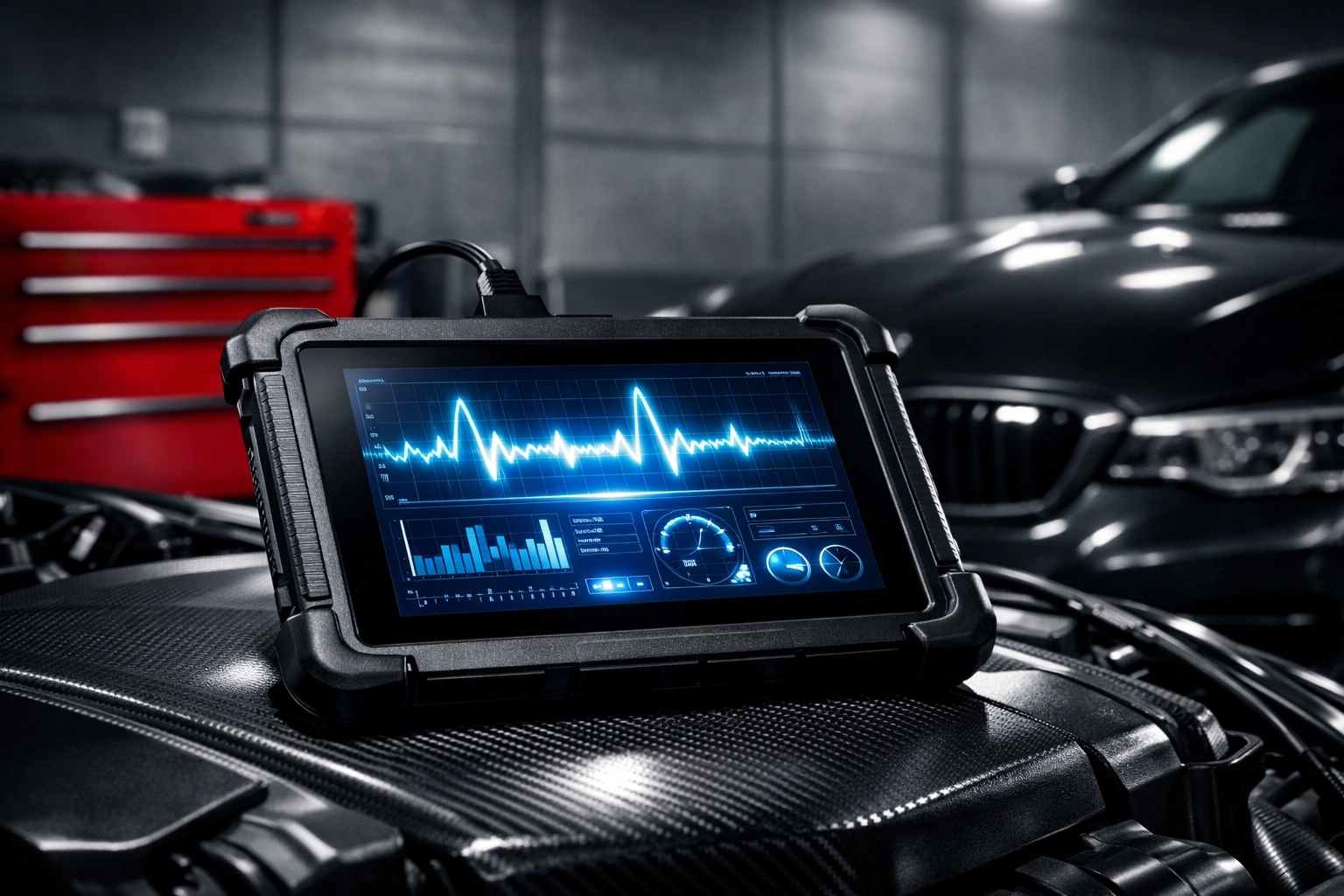
Before you search for “transmission repair near me” and brace for the worst, professional vehicle diagnostics are essential. Utilizing advanced tools to read error codes and monitor live data allows a technician to see if the problem is “external” (sensors, wires, or software) or “internal” (gears, clutches, and seals).
What Is a Transmission Rebuild, Really?
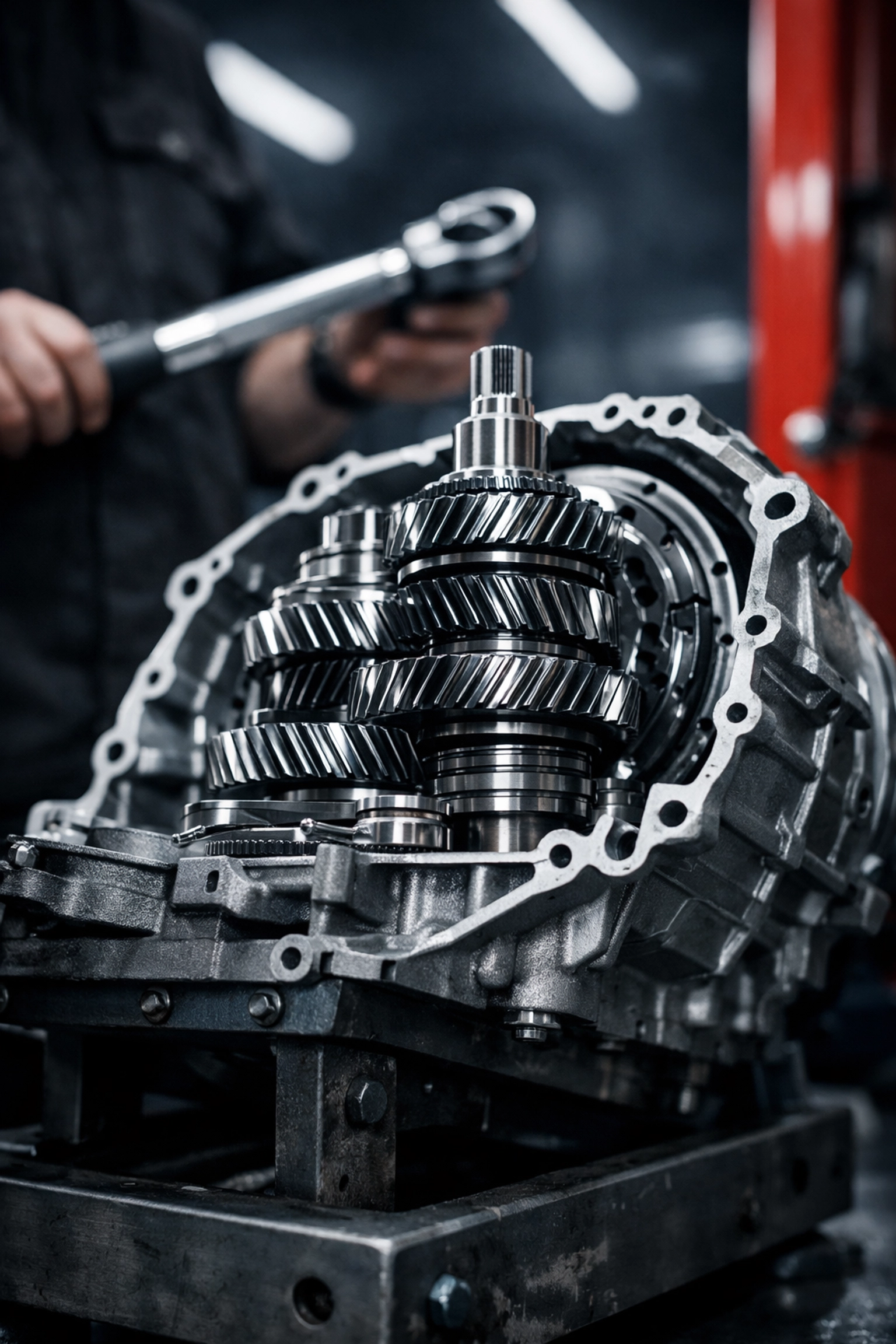
If a diagnostic test confirms that the damage is indeed internal, a rebuild: also known as “remanufacturing” in some contexts: is often the most cost-effective way to restore your vehicle to peak performance. A rebuild is a comprehensive restoration of the unit. It involves removing the transmission, disassembling it entirely, cleaning every component, and replacing parts that are worn or damaged.
In contrast to a simple repair, where only one specific part is fixed, a rebuild addresses the entire “lifecycle” of the unit. We don’t just fix what’s broken today; we replace the parts that are likely to break tomorrow. This ensures that once the unit is back in your vehicle, it functions at or above original factory specifications.
The 7-Step Anatomy of a Professional Rebuild
To be a responsible vehicle owner, it helps to understand the labor-intensive journey your transmission takes during a rebuild. At a reliable auto repair shop in Bear, DE, the process should follow these rigorous steps:
1. Advanced Diagnosis and Road Test
We start with a comprehensive scan and, if safe, a road test. We need to feel the slip, hear the whine, and see the data. This step ensures we aren’t rebuilding a unit when the problem is actually a simple oil change service or a fluid flush.
2. Removal and Disassembly
The transmission is a heavy, intricate piece of machinery. It must be carefully disconnected from the engine, driveshaft, and cooling lines. Once on the bench, it is disassembled piece by piece. This is where the “detective work” happens: looking for burnt clutch plates or metal shavings in the pan.
3. The Industrial Chemical Wash
Contamination is the enemy of a transmission. Every “hard part” (the case, gears, and shafts) is placed in an industrial washer. High-pressure hot water and specialized solvents remove sludge and debris. Additionally, this step is critical because any leftover metal flakes can destroy a brand-new rebuild in a matter of miles.
4. Inspecting the “Hard Parts”
We meticulously check the case for cracks, the gears for worn teeth, and the hydraulic pump for its ability to maintain pressure. If a gear is “pitted” or a shaft is warped, it must be replaced.
5. Replacing the “Soft Parts”
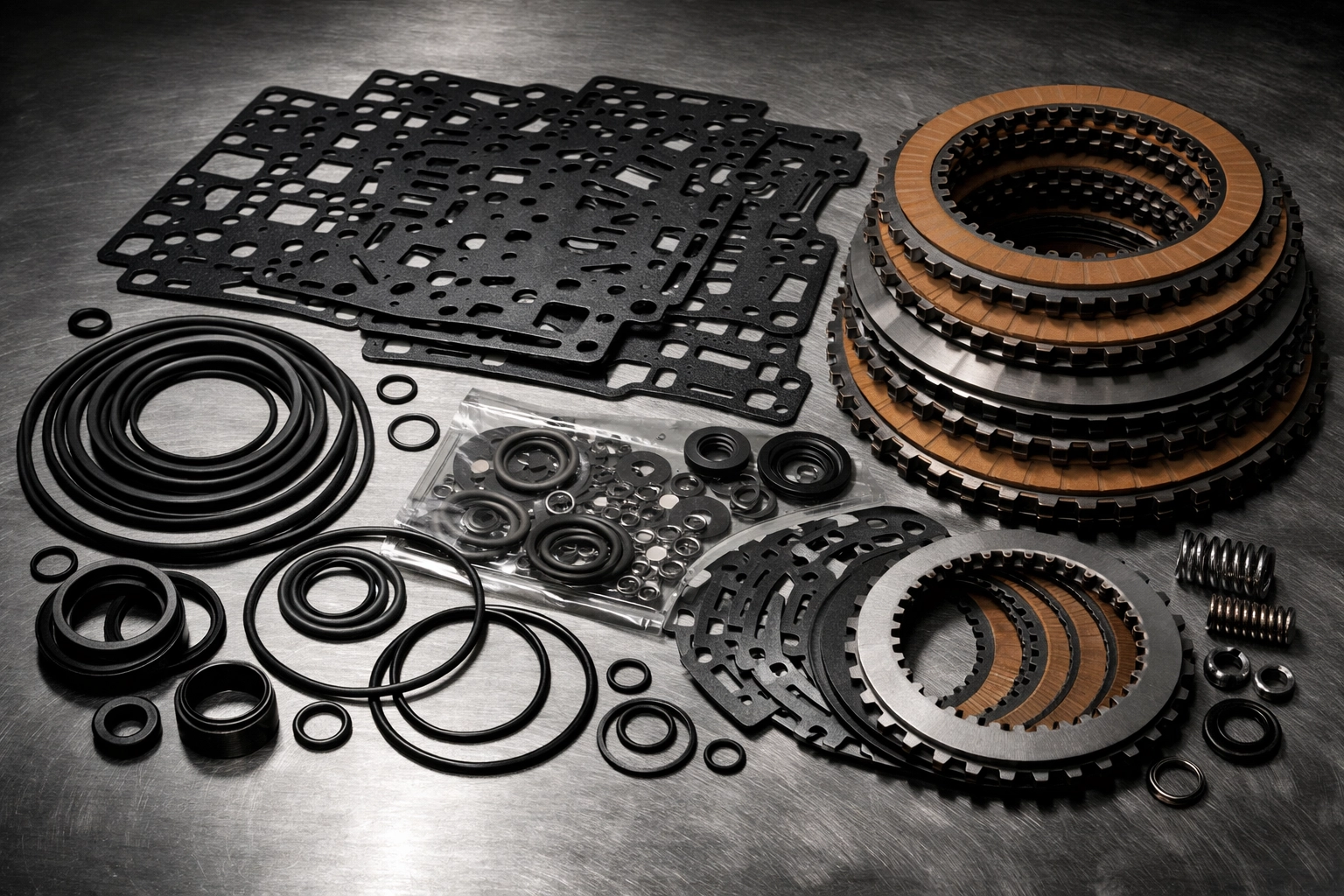
This is the core of the rebuild. A “master rebuild kit” is used, which includes all-new gaskets, seals, O-rings, clutches, and bands. These are the components that naturally wear out over time due to heat and friction. Furthermore, the torque converter: a sealed unit that often traps debris: is almost always replaced with a fresh unit.
6. Updates and Improvements
Here is a secret many shops don’t mention: your original transmission might have had a design flaw from the factory. During a rebuild, we check for Technical Service Bulletins (TSBs) and install “update kits.” These corrections often make the rebuilt unit more durable than it was when the car was brand new.
7. Reassembly and Precision Testing
The unit is reassembled with measurements accurate to thousandths of an inch. After reinstallation, the cooling lines are flushed to ensure no old debris enters the new unit, and it is filled with the manufacturer-specified fluid.
Timing Is Everything: Why Quick Diagnostics Matter
Are you wondering why some transmissions last 200,000 miles while others fail at 80,000? Often, it comes down to how quickly the owner reacted to early warning signs. Ignoring a small leak or a slight shudder can turn a $300 seal repair into a $4,000 rebuild.
Consequently, why quick diagnostics matter for modern vehicles cannot be overstated. Heat is the number one killer of transmissions. If your fluid is low or dirty, it can’t dissipate heat properly. This causes the “soft parts” to harden and crack, leading to internal pressure losses. By the time you feel the “slip,” the damage is often already done.
Rebuild vs. Replacement: Making the Right Choice
When faced with a failed transmission, you generally have three options:
- A Used Transmission: Sourced from a salvage yard. This is the cheapest option but comes with the highest risk. You have no way of knowing how the previous owner treated it.
- A New/Remanufactured Unit: A pre-built unit shipped from a factory. These are high quality but often very expensive due to shipping and core charges.
- A Custom Rebuild: Having your existing transmission rebuilt by local experts.
In Bear, DE, a custom rebuild is often the best balance of cost and reliability. You get a warranty you can actually use at a local shop, and you know exactly what parts went into the build. However, if the “hard parts” of your transmission are severely damaged (like a cracked case or shattered planetary gears), a full replacement might be the only honest recommendation we can make.
Proactive Maintenance to Avoid the Rebuild
While we are experts at rebuilding transmissions, we would much rather help you avoid needing one. Just as you stay on top of brake repair techniques or check your battery replacement signs, your transmission needs regular attention.
- Check the Fluid: If your vehicle has a dipstick, check the color and smell. It should be bright red and relatively odorless. If it’s dark brown or smells like burnt toast, head to a shop immediately.
- Don’t Ignore Leaks: A red puddle in your driveway is a cry for help.
- Cooling System Health: Your transmission relies on the car’s radiator to stay cool. If your engine is overheating, your transmission is suffering too.
Why Trust ASAP Automotive & Transmission?
We know that car repairs can be stressful. That’s why we’ve built our reputation on being the most honest auto repair shop in Bear, DE. We don’t hide behind technical jargon. If you come in thinking you need a rebuild, and we find a faulty $50 sensor instead, we’ll tell you.
Our technicians are trained to handle the most delicate parts of your vehicle’s drivetrain. Whether you need a simple fluid service, a complex suspension repair, or a complete transmission overhaul, we treat your vehicle as if it were our own.
If your car is acting up, don’t wait for the problem to get worse. A transmission that is slipping today could leave you stranded on Route 1 tomorrow. Let us take a look and give you a straight answer. You can easily schedule an appointment online or stop by our shop to chat with our team.
Relax with a coffee in our waiting area while we use our advanced diagnostics to figure out exactly what’s going on. Whether it’s a quick fix or a necessary rebuild, we’ve got it covered with the honesty and expertise you deserve.